عندما لا تتصل الأنظمة، لا يتم تسليم الطلبات في الوقت المحدد
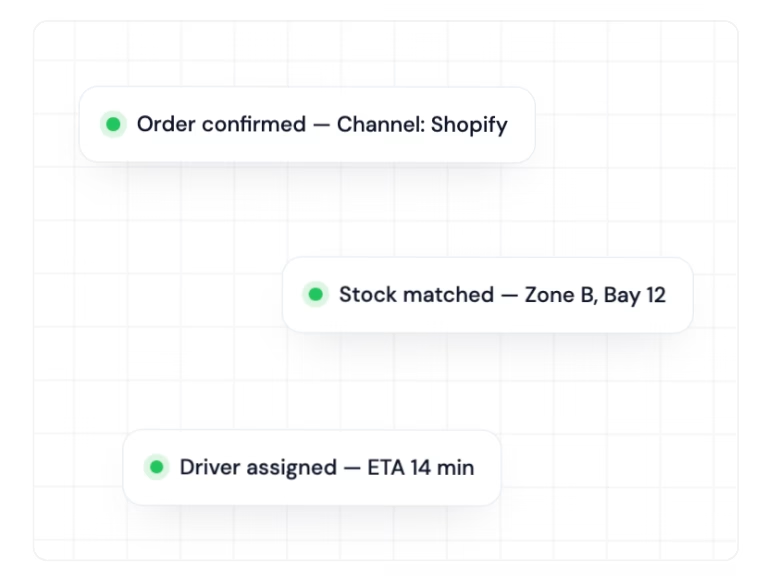
تصل الطلبات من مختلف القنوات. يتم تحديث أرصدة المخزون في جدول بيانات يتم تحديثه من قبل شخص ما مرتين يوميًا. بحلول الوقت الذي يكتشف فيه عامل التوزيع أن منتجًا مفقودًا، فقد تم بالفعل وعد العميل بذلك. توضع الطلبات والمخزون والتوصيل في نموذج بيانات واحد، لذا فإن ما تبيعه وما لديك وما هو في الطريق هو دائمًا نفس العدد.
تأتي أرقام "متاحة للبيع عند تقديم العرض" من عملية تعداد يدوية، وليس من أرضي المستودع. إذا قمت بتسويق قناة دون ما يكفي منها، فستعرف بذلك في آن واحد خلال حملة ترويجية.
التقاط الملفات اليدوية التي تحتاج إلى تدخل بشري
لا يصبح أمر تم تأكيده في واجهة المتجر قائمة طلبات التوصيل حتى يقوم شخص ما بإدخالها من جديد في نظام المستودعات. كل عملية إعادة إدخال تعني تأخيرًا وفرصةً للخطأ.
تخفيض التوصيل بعد الشحن
بمجرد مغادرة السائق لوجود المتاجر، فإن الإشارة الوحيدة التي تتلقاها هي اتصال من أحد العملاء يطلب منه تحديد مكان طلبهم، حتى يفوت الوقت المحدد له.
الترسانات تتراكم دون إدارة
الطلبات الجزئية غير المستلمة، والطلبات المرفوضة، والعودات المعرضة للضرر؛ كل هذه الأمور تتطلب شخصًا يقوم بتحديد ما ينبغي إعادة استثماره إلى المخزون وما هو المبلغ المستحق من العميل.
يُمكِنُ لواحدٍ من الوكلاء مراقبة الطلب والمخزون والقيِّم في آن واحد.
تأتي الطلبيات من عدة قنوات مختلفة. يتم تحديث أرصدة المخزون في جدول بيانات يتم تحديثه مرتين يوميًا. بحلول الوقت الذي يكتشف فيه عامل التوزيع أن منتجًا ما لمتاح، فقد وعد العميل بالفعل بتقديمه. توضع الطلبيات والمخزون والتوصيل في نموذج بيانات واحد، لذا فإن ما تبيعونه وما لديكونه وما هو في الطريق هو دائمًا نفس العدد.
يتصرف عندما يكون متأكداً. يسأل عندما لا يكون متأكداً.
تقييم مخاطر الطلب
يتم تسجيل كل طلب على أساس دقة العنوان وقابلية استيفائه قبل استلام الطلب، وليس بعد فشله.
الإجراءات التصحيحية
يعيد تعيين قائد السيارة أو يحدد استثناءً في المخزون حالما يكون معيار الخدمة المضمونة معرضاً للخطر، ولا يتعين على أي من مديري الشحن أن يكتشف ذلك أولاً.
اتصالات العملاء
تصل تأكيدات الطلبات وإشعارات التأخير وتحديثات التسليم تلقائيًا عبر WhatsApp أو SMS أو الصوت.
تخزين المنتجات المعاد تصنيعها، يتم التعامل معه كعملية تدفق للمعلومات، وليس كحالة من الفوضى.
تسجل عمليات التسليم الجزئية والطلبات المرفوضة والإرجاعات المتضررة تلقائيًا في سجلات الطلب الأصلي، ويتم استرجاعها أو شطبها أو وضع علامة عليها لإجراء استرداد، دون الحاجة إلى إعادة بناء الحادث من الذاكرة.
لا. ميلو عبارة عن نظام متكامل، ابدأ بتطبيق الطبقة التي تفتقر إليها وقم بتوصيل البقية بما تقوم بتشغيله بالفعل عبر واجهة برمجة التطبيقات أو التكاملات المحلية.
تُعنى نقاط تقييم محرك المخاطر بالدقة والقدرة على الوفاء بالالتزامات عند تأكيدها، كما يراقب نظام MAC بيانات التسليم الفعلي مقابل كل معيار SLA أثناء النقل، ويحدد أو يصححها قبل أن يفوت الوقت المحدد.
نعم. يتم تجميع الطلبات عبر كل متاجر البيع بالتجزئة والمنصات، في عرض واحد، وتظل كل حالة من مستودعات التخزين تحتفظ بمخزونها الخاصة بها وعمليات اختيارها، مع تقديم تقارير مركزية في خطة Enterprise.
هل أنت مستعد لتحويل الخدمات اللوجستية الخاصة بك؟
انضم إلى العلامات التجارية الرائدة باستخدام خدمة Mile لتشغيل أنشطتك بشكل أكثر ذكاءً وسرعة وربحية أكبر.