Move every container with context, not blind spots.
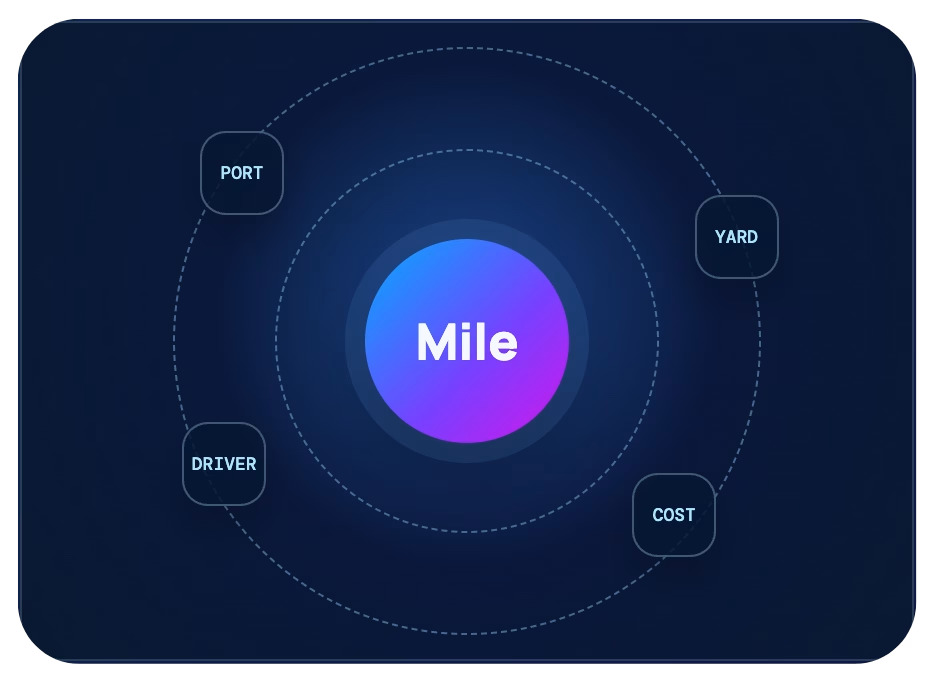
Mile connects the Job, every Waybill, every Trip, and the live decisions between port, rail, terminal, yard, storage and customer hand-off. Start with the operational gap that costs you most.
Built to work alongside the stack you already rely on.
The pressure behind every container move
The margin does not disappear at one stop.
It disappears in the hand-offs.
Container operators are asked to protect free time, keep yard custody accurate, dispatch a changing resource plan and invoice every exception. The work is global; the language and compliance hand-offs are regional.
Free time, cutoffs and appointments change while the work remains in separate screens.
Pre-pulls, last-free-day, chassis, rail-ramp, empty-return and appointment changes need to be visible before they become demurrage, detention or a missed move.
The yard knows it moved. The transport Job does not.
Holds, releases, dwell, storage, service and final delivery can fracture container custody—and leave dispatch, customer service and customers working from different stories.
The resource plan changes faster than the operating desk can reconcile it.
Owned fleets, carriers and drivers need a shared assignment history. Regional transport documents and driving authorisation hand-offs add another decision point.
Margin leaks after the truck departs.
Waiting, detention, tolls, handling, vendor accessorials, driver expenses and incentive rules have to attach to the right move before billing becomes recovery work.
The operating model
A container is not a trip.
It is a chain of decisions.
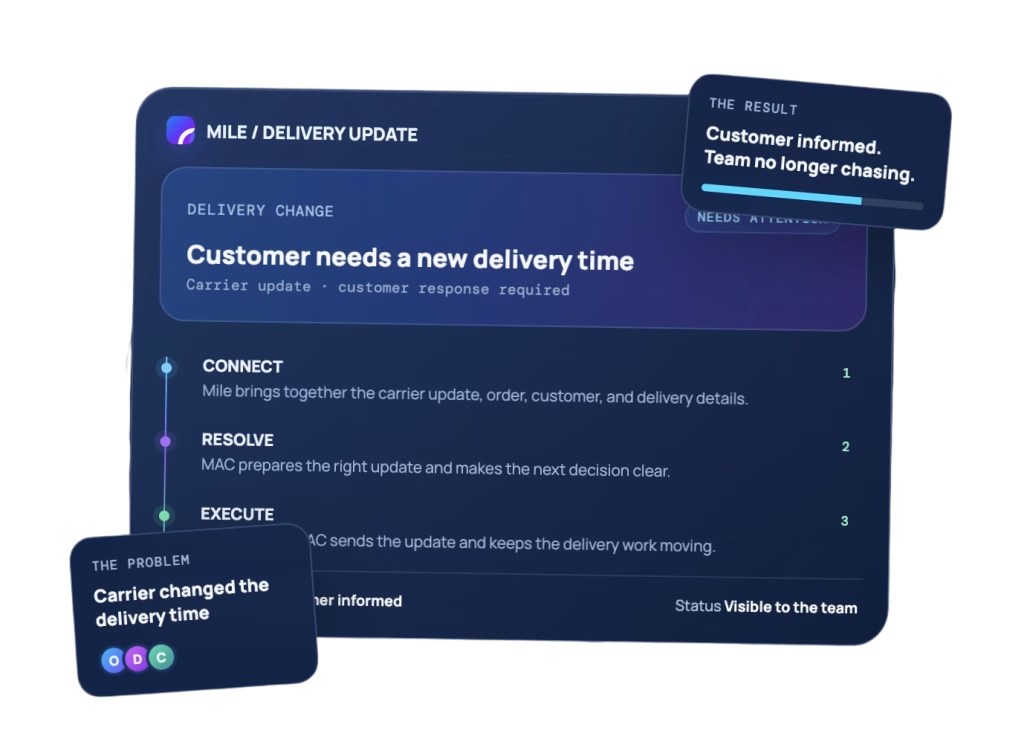
When teams only see the truck, the order or the yard location, they lose the context that keeps containers moving. Mile gives every movement a shared operational frame—from the parent request through each leg, resource change, document and outcome.
Autonomy, where it helps
Bring decisions, custody
and cost into one flow.
Choose the operating area where context is breaking down. Mile coordinates it with the people and systems already in the loop.
Plan the work. Keep the options visible.
Give planners one view of pending waybills, active trips, upcoming availability and owned or outsourced resources.
Use driver updates, GPS/ELD events, geofences, documents and ePOD to keep dispatch, customers and partners aligned.
Driver mobile updatesDelay alertsCustomer-safe status
Give cost, rates and driver work the same context.
Connect contract logic and accessorials to the right Job, Waybill or Trip before billing, approval and settlement become manual recovery work.
Driver mobile updatesDelay alertsCustomer-safe status
A modular wedge, not a replacement project
Keep the systems that already work.
Close the costly gap between them.
Mile can begin with the decision that is most exposed—container dispatch, exception recovery, customer updates, cost capture or a regional compliance hand-off. The surrounding ERP, WMS, terminal portal, carrier platform and finance tools can remain where they are useful.
Start with one costly operational hand-off.
Keep data ownership and approval rights where they already belong.
Use MAC and Mile modules more deeply only where they improve execution.
Mile autonomy, on your terms
Let the right work move itself.
Give MAC and Mile the work your team wants help with—one operational gap at a time.
Ready to transform your logistics?
Ready to transform your logistics?
Join leading brands using Mile to run smarter, faster, and more profitably.